The short answer
You can do some chimney repairs yourself, but two things set firm limits: working safely at height and the Building Regulations. Reasonable DIY jobs — for the right person with proper access — include minor repointing, renewing flaunching, and fitting a basic bird guard or cowl, provided you have safe scaffolding rather than a ladder. Jobs that are controlled work under Approved Document J — relining a flue, installing or replacing a stove or fire, building a hearth — should be done by a HETAS-registered installer (solid fuel) or Gas Safe engineer (gas), because they must be notified and certified. Structural work such as rebuilding a stack, plus any work on a listed building, also needs professionals and the right approvals. When in doubt, the safe choice is a specialist.
DIY chimney work is possible within limits, but those limits matter for safety and compliance. Here is what falls each side of the line.
DIY versus professional
- Possible DIYminor repointing, flaunching, bird guard
- Needs a professionalflue, appliance, structure
- Controlled workmust be HETAS / Gas Safe / notified
- Always prolisted buildings, rebuilds
- Limiting factorworking safely at height
What you may be able to do yourself
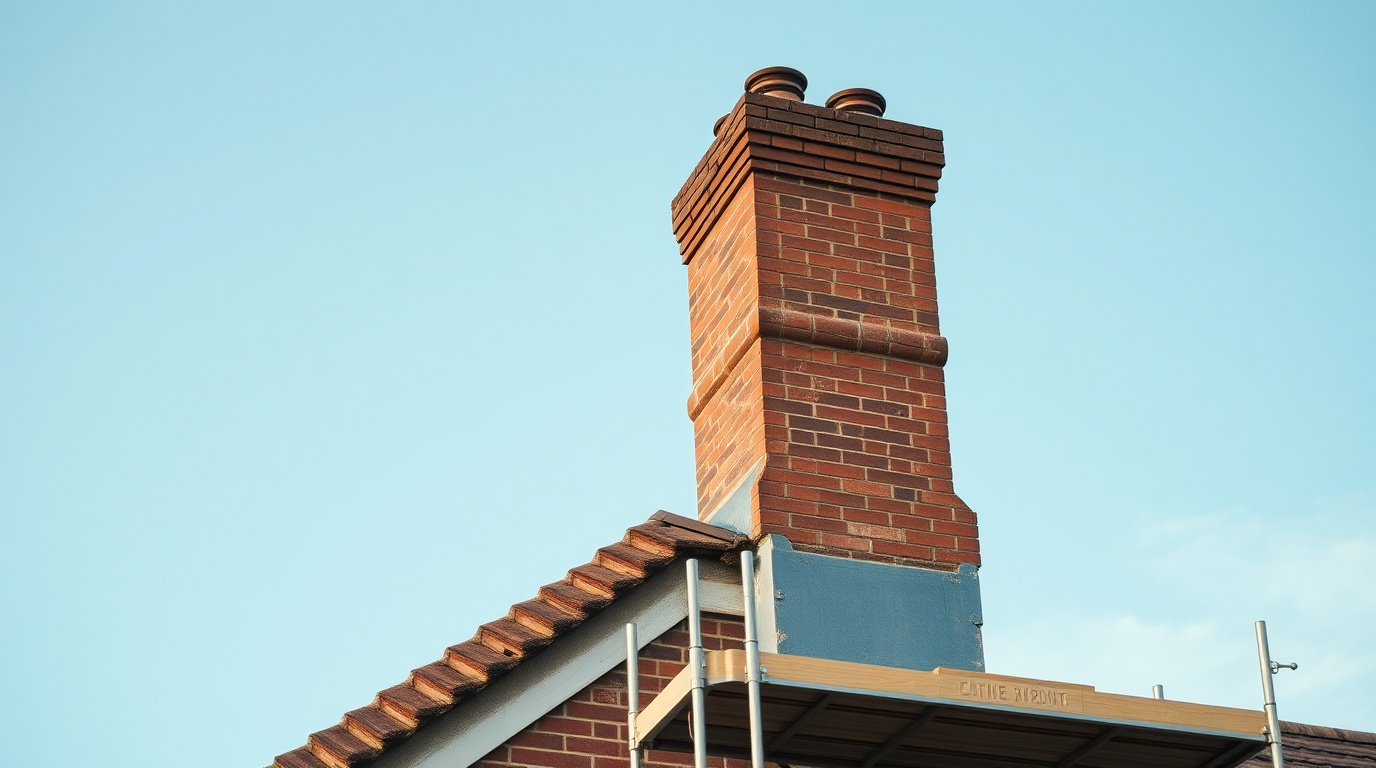
A competent, careful DIYer with safe access can take on some maintenance. Minor repointing of accessible brickwork, renewing the flaunching around the pot, and fitting a simple bird guard or cowl are within reach as repair and maintenance that is not controlled work. The big condition is access: the top of a stack is the highest point of the house, and working off a ladder there is a genuine hazard. Proper scaffolding or a tower is part of doing the job safely. If you cannot get safe access, the job stops being DIY regardless of how simple it is technically.
What should be left to a professional
Anything that touches the flue, the appliance or the structure should go to a professional. Relining a chimney, installing or replacing a stove, open fire or gas fire, and building or altering a hearth are controlled work under Approved Document J, which must be notified and certified — by a HETAS-registered installer for solid fuel or a Gas Safe engineer for gas. Structural work — rebuilding or partly rebuilding a stack, or removing a chimney — needs building control and proper support. And any work on a listed building needs the heritage rules followed and often consent. Getting these wrong risks carbon monoxide, fire, structural failure or an invalid sale.
| Job | DIY? | Why |
|---|---|---|
| Minor repointing (safe access) | Possible | Maintenance, not controlled |
| Renewing flaunching | Possible | Maintenance, not controlled |
| Fitting a bird guard | Possible | Maintenance, not controlled |
| Relining the flue | No | Controlled — HETAS / building control |
| Installing a stove or fire | No | Controlled — HETAS / Gas Safe |
| Rebuilding the stack | No | Structural — building control |
Indicative; if unsure, treat it as a professional job. Sources: HETAS; gov.uk Approved Document J.
Weighing up safety and certification
Two practical points decide most DIY questions. First, safety: chimney work is at height, and flue and appliance faults can cause carbon monoxide poisoning or fire — these are the kinds of risk where a mistake is serious, not just costly. Second, certification: controlled work must be notified, and a HETAS or Gas Safe certificate is the proof a buyer's solicitor will want, so DIY on controlled work can store up trouble when you sell. For genuine maintenance with safe access, careful DIY is reasonable. For anything involving the flue, the appliance, the structure, or a listed building, a registered or specialist contractor is the right call — and even simple jobs are often better left to a sweep or roofer who already has the access set up.
Frequently asked questions
Can I repoint my own chimney?
If you are competent and have safe access — a scaffold or tower, not a ladder — minor repointing of accessible brickwork is maintenance and can be DIY. Without safe access it is not a sensible DIY job whatever your skill.
Can I fit my own wood-burning stove?
Fitting a stove is controlled work under Approved Document J and must be notified. If you are not a registered installer you must apply to building control first, and the safer route is a HETAS-registered installer who certifies it.
Is DIY chimney repair a problem when selling?
It can be if the work was controlled and not certified. Buyers' solicitors look for HETAS or Gas Safe certificates and building control sign-off, so uncertified DIY on flues, appliances or structure can cause issues at sale.
Sources & further reading
- HETAS — why use a registered installer
- gov.uk — Approved Document J (combustion appliances and fuel storage systems)
Figures on this page are typical UK ranges drawn from published sources and depend on your specific chimney. They are guidance, not a quotation.