The short answer
Fitting a chimney cap or cowl in the UK is a small job, usually low hundreds of pounds per pot including labour, with the part itself often costing only tens of pounds. The reason the total is not trivial is access: reaching the pot safely typically needs a tower or scaffolding, which can add a few hundred pounds. Cost rises with the number of pots capped, the type of cowl (a simple cap is cheaper than a spinning anti-downdraught or birdguard cowl), and the height and access of the stack. Fitting several cowls in one visit is much better value, since the access cost is shared.
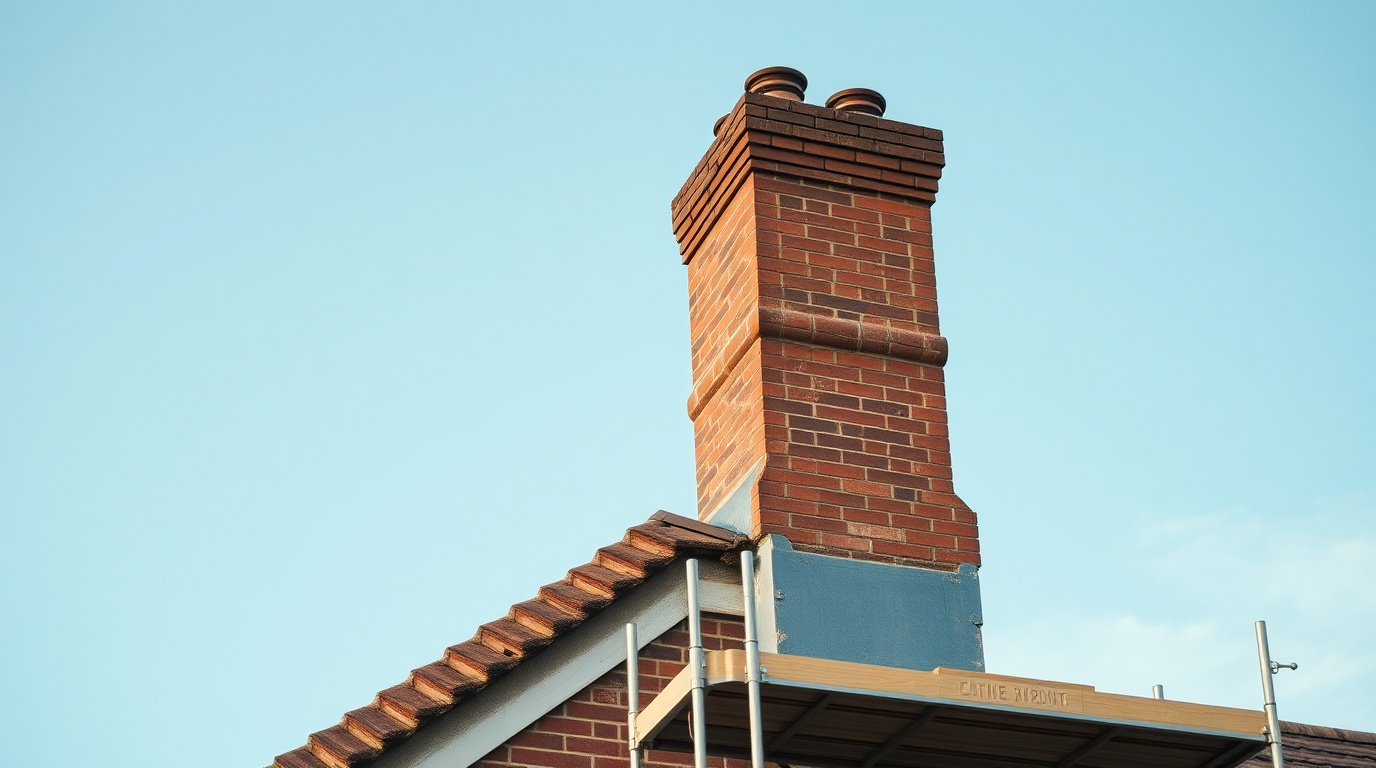
A cap or cowl sits on the chimney pot to keep out rain, birds and downdraught, or to seal a disused flue. The hardware is cheap — the cost is in reaching it safely.
At a glance
- Per pot (fitted)low hundreds
- The cowl itselftens of pounds typically
- Main costaccess (tower / scaffold)
- Lowest-cost typesimple cap / birdguard
- Dearer typespinning anti-downdraught
Cap or cowl fitting costs
A cap or cowl is a fitting that sits on top of the chimney pot. The purpose varies: a birdguard keeps birds and nests out, a rain cap stops water entering the flue, an anti-downdraught cowl reduces smoke being blown back down, and a capping cowl seals a disused flue while still letting it breathe to prevent damp. The fitting itself is inexpensive; the cost is mostly labour and access. The ranges below are indicative guidance from established UK cost guides, not fixed quotes. Because the part is cheap and the access is the main expense, fitting cowls on multiple pots at once is far better value than one at a time.
| Item | Typical UK range | Notes |
|---|---|---|
| Cowl / cap (part only) | tens of pounds | type-dependent |
| Fitting, per pot | low hundreds | includes access for the pot |
| Anti-downdraught cowl fitted | higher end of low hundreds | dearer part |
| Access (tower / scaffold) | a few hundred pounds | main cost driver |
Indicative ranges for guidance only. Sources: Checkatrade and MyJobQuote chimney cowl cost guides.
Caps and cowls — choosing the right one
Picking the right fitting matters, because the wrong one can cause problems. A working flue serving a fire or stove must keep its draught, so any cowl fitted to it should be designed for an active flue — a fully sealed cap would be dangerous, risking smoke or carbon monoxide entering the room. A disused flue, by contrast, benefits from a capping cowl that keeps rain and birds out while still allowing a little airflow, which prevents trapped moisture and damp inside the stack. Anti-downdraught cowls — including spinning types — help where wind blows smoke back down the chimney, but they cost more than a plain cap. If you have a wood burner or open fire, it is worth getting advice from a chimney sweep or installer so the cowl suits the appliance and does not impair the draught or push the flue out of compliance with building regulations.
Why access is the real cost
The fitting clips or beds onto the pot in minutes once a tradesperson is up there, so the bulk of the price is simply getting to the pot safely. For a single cowl this may be a scaffold tower or roof access platform; on a tall, steep or terraced property it may need scaffolding. The choice is made on safety grounds under the Work at Height Regulations 2005. Because that access cost is broadly fixed regardless of how many cowls are fitted, the most economical approach is to do all the pots in one visit, and ideally combine the job with any other stack work — repointing, a recast crown, or flashing — while the access is in place. This is why a quote for a single cowl can look surprisingly high relative to the cheap part: you are paying for the platform, not the hardware.
Getting a fair quote
Because the part is cheap and the access dominates, a fair quote should be transparent about both. Check that it states the type of cowl (cap, birdguard, anti-downdraught, capping) and whether it suits a working or disused flue, lists the number of pots being capped, and separates the access cost from the fitting. Confirm whether VAT is included. If you are also due other stack work, ask for it to be priced together so the scaffold or tower is shared. Get two or three quotes for any larger job, and be slightly wary of an unusually low single-cowl price that may not include safe access. For a working fire, it is also sensible to have the flue swept first, which a sweep can often combine with cowl fitting, getting two jobs done on one visit.
It is also worth thinking about longevity and material when choosing a cowl, since the fitting lives in the harshest spot on the house. Stainless steel cowls and birdguards resist corrosion far better than cheap plated ones, which can rust and stain the stack within a few years, so a slightly dearer part often outlasts two or three cheap replacements — and each replacement carries the same costly access. For a working flue, the cowl must also suit the appliance and fuel: a wood burner, an open fire and a gas appliance have different draught and clearance needs, and the wrong cowl can cause smoking or fail to meet the relevant guidance. If in doubt, a quick word with a HETAS installer or a sweep before buying avoids fitting something that has to come off again. As with the rest of the job, the economics are dominated by access, so getting the choice right first time is what keeps the real cost down.
Frequently asked questions
What is the difference between a chimney cap and a cowl?
The terms overlap, but a cap generally means a rain cover or a solid cap to seal a disused flue, while a cowl is a fitting that does a specific job — keeping out birds, stopping downdraught, or capping while still ventilating. The right choice depends on whether the flue is in use.
Why does fitting one small cowl cost over a hundred pounds?
The cowl itself is cheap, often tens of pounds, but reaching the pot safely needs a tower or scaffold, and that access is the main cost. Fitting several cowls in one visit spreads the access cost and is much better value per pot.
Can I cap a chimney I no longer use?
Yes, and a capping cowl is often a good idea on a disused flue — it keeps out rain and birds. Use a type that still allows some ventilation rather than a fully sealed cap, so trapped moisture does not cause damp inside the stack.
Sources & further reading
- Checkatrade — chimney cowl cost guide
- MyJobQuote — chimney cowl fitting cost guide
- HETAS — chimney and flue guidance
Figures on this page are typical UK ranges drawn from published sources and depend on your specific chimney. They are guidance, not a quotation.