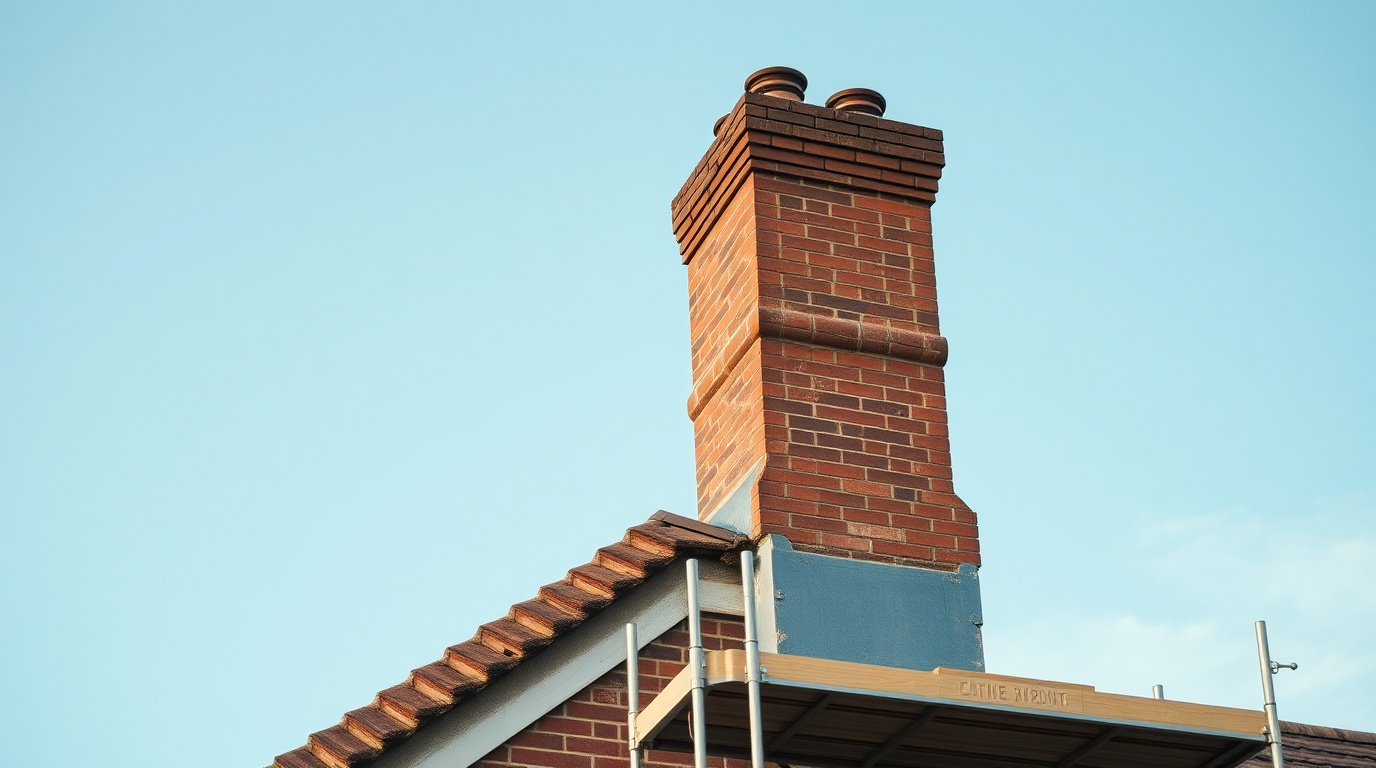
The short answer
The terms overlap, but in UK usage a cap usually means a simple fitting that sits over the pot to keep out rain, birds and debris, while a cowl is a shaped fitting designed to improve how the flue performs — cutting downdraught, boosting draw, or stopping rain on a working chimney. The key practical distinction is ventilation: a capped flue must still breathe. For a disused chimney, a vented (capped) cowl keeps rain out while letting air circulate to prevent trapped damp. For a working flue, the cowl is chosen for the appliance — an open fire, stove or gas appliance each has suitable types — and must never restrict the draught it needs. The right choice depends on whether the flue is in use and what problem you are solving.
Cap and cowl are often used interchangeably, which causes confusion. The useful question is not the label but what the fitting needs to do: keep weather out, fix downdraught, or seal a disused flue while still letting it breathe.
Cap vs cowl
- Cap (typical)keeps rain, birds, debris out
- Cowl (typical)improves flue performance
- Disused fluevented cap/cowl, stays ventilated
- Working fluetype matched to appliance
- Golden rulelive flues must keep draught
What a cap does
In everyday UK use, a chimney cap is a fitting that sits over the top of the pot or flue and acts mainly as a lid against the weather and intruders. Its jobs are to keep rain out of the flue, to stop birds nesting and animals or leaves getting in, and to keep debris from blocking the chimney. Caps range from simple mesh guards and rain caps to more enclosed designs.
The crucial point with any cap on a flue that is not in active use is ventilation. If a disused flue is capped completely with no airflow, moist air condenses inside the cold chimney and, with nowhere to escape, soaks the masonry and causes a damp chimney breast. So a cap for a disused chimney should be a vented (ventilating) type that excludes rain and birds but still lets air pass through, keeping the flue dry. A cap is the right tool when the aim is simply to protect and seal the flue against the weather while allowing it to breathe.
What a cowl does
A cowl is a shaped fitting designed to change or improve how the flue performs, not just to keep weather out. Different cowls solve different problems. Anti-downdraught cowls are shaped to stop wind blowing back down the flue and pushing smoke into the room — useful on chimneys in exposed or turbulent spots. Spinning (rotating) cowls use the wind to help draw smoke and gases up, improving a sluggish draught. Rain-excluding cowls keep water out of a working flue without restricting it. Bird guards overlap with caps in function. There are also cowls specified for particular fuels and appliances.
Because a cowl sits on a live flue, the overriding rule is that it must not restrict the draught the appliance needs. An open fire, a wood-burning or multi-fuel stove, and a gas appliance each have suitable cowl types, and fitting the wrong one — or one that is too restrictive — can cause poor draw, smoke spillage or, with combustion appliances, a dangerous build-up of flue gases. Cowls for working flues should therefore be matched to the appliance and, for solid-fuel and gas, fitted with the relevant competent-person or installer guidance in mind.
Comparing cap and cowl
The table sets out the typical differences in purpose and use. Terminology varies between manufacturers, so always check what a specific product is designed to do rather than relying on the name alone.
| Factor | Cap | Cowl |
|---|---|---|
| Main purpose | keep weather / birds out | improve flue performance |
| Suited to | disused or protected flue | downdraught, draw, working flue |
| Ventilation | vented type for disused flue | kept clear for live flue |
| Solves downdraught | no | yes (anti-downdraught type) |
| Indicative cost | £20–£100 plus fitting | £40–£200+ plus fitting |
Indicative guidance; product names and prices vary. Sources: HETAS / Checkatrade chimney guidance.
Choosing the right one
The choice follows from whether the flue is in use and what you are trying to achieve. For a disused chimney, fit a vented cap or cowl that keeps out rain, birds and debris while letting the flue breathe — this is the standard way to protect a stack you are keeping but not using. For a working open fire or stove that suffers downdraught or poor draw, an anti-downdraught or spinning cowl suited to that appliance is the answer. For a working flue that simply needs rain and birds kept out, a rain cap or bird guard rated for the appliance does the job. With solid-fuel and gas appliances, the fitting must be compatible with the appliance and not restrict the draught, so it is worth involving a HETAS-registered installer (solid fuel) or a Gas Safe registered engineer (gas) to specify and fit it. Get the use case clear first, and the right cap or cowl follows.
Frequently asked questions
Do I need a cap or cowl on a disused chimney?
A vented cap or cowl is sensible on a disused chimney. It keeps out rain, birds and debris while still letting air flow through the flue. Avoid sealing it completely with no ventilation, as trapped moisture causes a damp chimney breast.
Will a cowl stop downdraught?
An anti-downdraught cowl is specifically shaped to stop wind blowing back down the flue and pushing smoke into the room, and a spinning cowl can help draw gases up. The right type depends on your appliance, so match it to an open fire, stove or gas appliance.
Can I fit a chimney cowl myself?
Simple bird guards and rain caps on a disused flue can be fitted with safe roof access, but for a working solid-fuel flue a HETAS-registered installer, and for a gas appliance a Gas Safe registered engineer, should specify and fit the cowl so the draught is not compromised.
Sources & further reading
- HETAS — solid fuel and chimney guidance
- Checkatrade — chimney cowl and cap costs
- HomeOwners Alliance — chimney guidance
Figures on this page are typical UK ranges drawn from published sources and depend on your specific chimney. They are guidance, not a quotation.