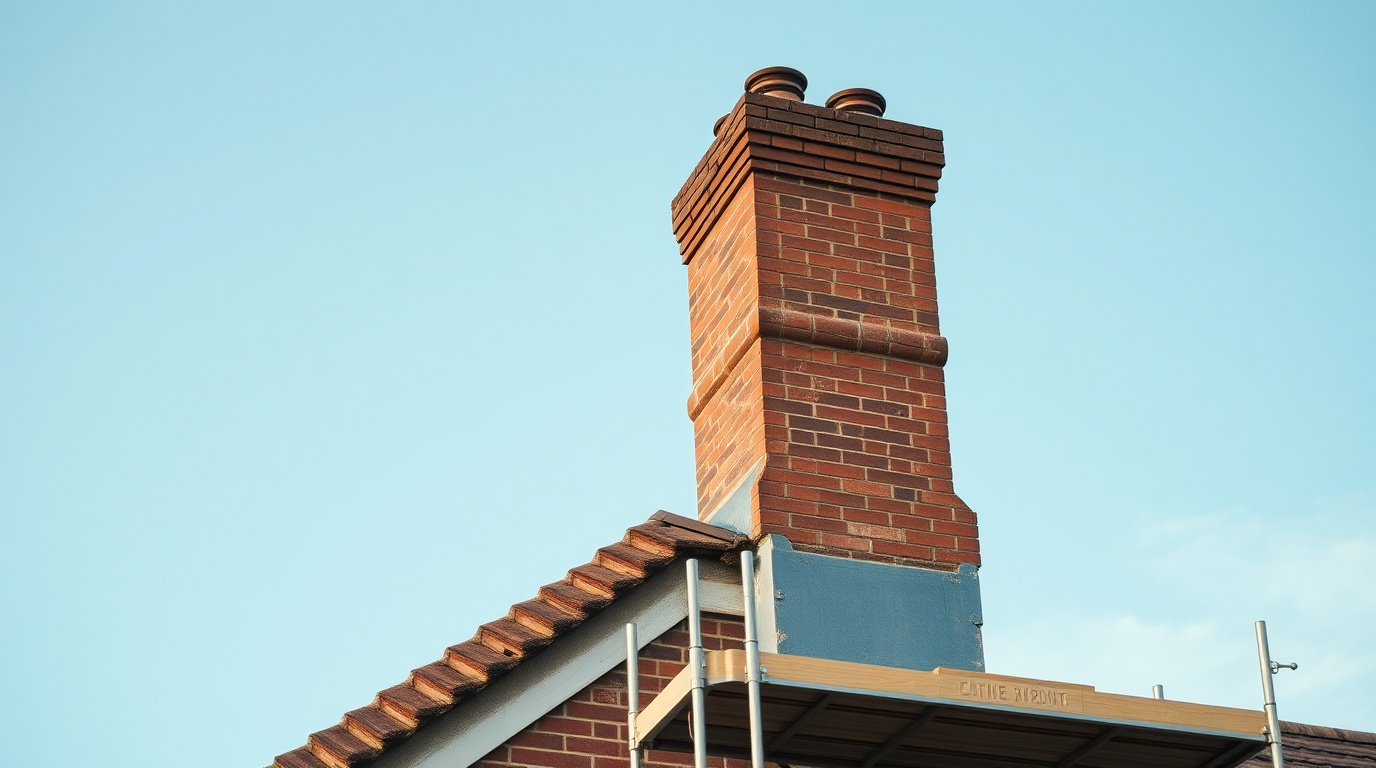
The short answer
On a listed building, the listing protects the whole structure, including chimneys, so the rules are stricter than for an ordinary house. Genuine like-for-like repair using the same materials and methods may not need listed building consent, but anything that alters the character — changing the profile, removing pots, rebuilding in different brick, or using cement mortar on historic lime-built work — is likely to need consent. Because the boundary can be fine, the safe step is to ask the council's conservation officer before starting. Carrying out work that needs consent without it is a criminal offence. Good practice is to repair with matching materials — usually lime mortar, matching bricks or stone, and reusing original pots where possible.
Listed status changes both what you can do and how you must do it. Here is how chimney repair works on protected buildings.
Listed chimney repair
- What is protectedthe whole building
- Like-for-like repairmay not need consent
- Altering characterneeds listed building consent
- Mortarusually lime, not cement
- Unauthorised worka criminal offence
What listing protects
When a building is listed, the protection covers the entire structure and often features fixed to it, not just the parts named in the listing description. Chimneys are frequently a defining feature of historic roofs, so they are taken seriously by conservation officers. The general principle is that like-for-like repair — replacing decayed brick or stone with matching material, repointing in matching mortar — may fall short of needing consent, but any work that changes the appearance, materials or character of the chimney is likely to require listed building consent. Because interpretations vary between councils, you cannot assume; you check.
When listed building consent is needed
Listed building consent is needed for works of alteration, extension or demolition that affect the building's special interest. For chimneys, that typically includes removing or lowering a stack, taking off original pots, rebuilding in a different material or profile, or re-rendering a previously bare stack. Repointing can need consent if it changes the mortar type or joint finish. The application goes to the local planning authority, and the conservation officer assesses the impact on the building's character. It is best to discuss proposals with them before submitting, as they can advise what will and will not be acceptable.
| Work | Consent likely? |
|---|---|
| Repointing in matching lime mortar | Often not — like-for-like |
| Replacing decayed bricks to match | Often not — like-for-like |
| Removing or lowering the stack | Yes |
| Removing original pots | Yes |
| Repointing in cement on lime work | Likely — alters fabric |
Indicative; the conservation officer decides on the specific case. Source: Historic England guidance.
Doing the repair the right way
Beyond consent, there is a technical reason to repair historic chimneys carefully. Older brick and stone were usually built with lime mortar, which is softer and more breathable than modern cement. Repointing historic work in hard cement traps moisture and can cause the brick faces to spall, doing long-term damage. Good practice is to use matching lime mortar, reclaimed or matching bricks, and to reuse original pots where they are sound. Where flashing or weathering details need renewing, traditional lead is usually preferred. A contractor experienced in heritage and conservation work is the right choice for these buildings.
Frequently asked questions
Do I need consent to repoint a listed chimney?
Often not, if you repoint like-for-like in matching lime mortar with the same joint finish. But changing the mortar type — for example to cement — can need listed building consent, so check with the conservation officer first.
Can I remove a chimney from a listed building?
Removing or lowering a chimney on a listed building normally needs listed building consent, as chimneys are usually part of what is protected. Councils are often reluctant to allow it. Apply before doing any work.
Why is lime mortar important on old chimneys?
Historic brick and stone were built with soft, breathable lime mortar. Repointing with hard cement traps moisture and can make brick faces spall, causing lasting damage, so matching lime mortar is the right repair.
Sources & further reading
- Historic England — looking after listed buildings
- gov.uk — listed buildings and listed building consent
Figures on this page are typical UK ranges drawn from published sources and depend on your specific chimney. They are guidance, not a quotation.