The short answer
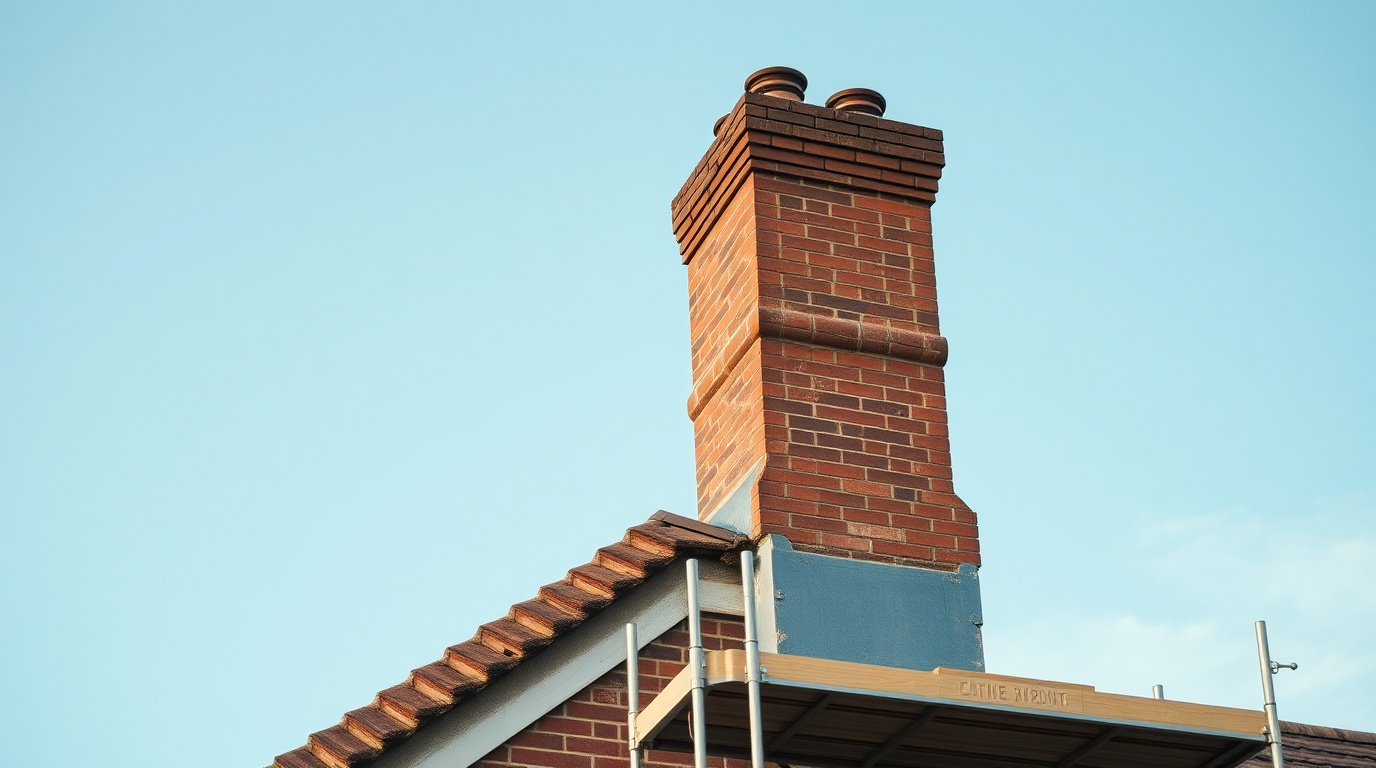
A cracked chimney crown is repaired either by sealing minor cracks or by removing and recasting the crown where the damage is significant. The crown — known as the flaunching on most UK chimneys — is the sloped mortar or concrete cap that beds the pots and sheds rain off the top of the stack. Hairline cracks can be filled with a flexible crown sealant, but cracked, eroded or crumbling flaunching usually needs to be fully recast: the old material is removed, the pots checked and re-bedded, and a new sloped crown formed with a proper overhang and drip edge so water is thrown clear of the brickwork. Because the crown sits at the most exposed point of the house, a sound one is the chimney's first line of defence against water ingress.
The crown is small but critical: it caps the whole stack and keeps rain out of the masonry and flue. A cracked crown is one of the most common — and most worthwhile — chimney repairs.
Crown repair at a glance
- Also calledflaunching
- Jobbeds pots, sheds rain
- Minor cracksflexible crown sealant
- Major damageremove and recast
- Key detailoverhang and drip edge
What the crown does and why it cracks
On most UK chimneys the top of the stack is finished with flaunching — a bed of mortar (sometimes a cast concrete crown on newer or rebuilt stacks) that holds the chimney pots upright and slopes away on all sides so rainwater runs off rather than soaking in. It is the chimney's cap and umbrella in one, and because it sits at the highest, most exposed point of the building it takes a relentless battering from rain, frost and temperature swings.
Crowns crack for predictable reasons. Freeze-thaw action works on any moisture the mortar absorbs, expanding it and opening cracks over winters. Thermal movement — the stack heating and cooling, and the pots expanding when a fire is lit — flexes the flaunching until it splits. Many older crowns were simply formed in ordinary sand-and-cement mortar with no reinforcement, which is brittle and shrinks as it cures, so fine cracks appear early and widen with age. Once a crack forms, water gets in, freezes, and prises it wider — and from there it travels down into the flue and the body of the stack.
How bad is the crack?
The repair depends entirely on how far the crown has gone. Fine, hairline cracks in an otherwise solid, well-shaped crown can be sealed and are a low-cost, preventative job. A crown that is cracked through, lifting, crumbling, hollow-sounding, or has lost its slope and overhang is past sealing and needs recasting. Tell-tale signs that the crown has failed include debris in the grate (fragments of mortar falling down the flue), loose or leaning pots, fresh damp on the chimney breast after rain, and visible gaps where the flaunching meets the pots or the brickwork.
It pays to judge this properly, because a sealant smeared over a crown that is structurally finished only hides the problem for a season. Conversely, fully recasting a crown that needed nothing more than a fine crack filled is wasted money. As the crown is at roof level and hard to see clearly from the ground, a close inspection by a chimney specialist with proper access is the reliable way to decide — and that visit is also the moment to check the pots, pointing and flashing while the access is in place.
Sealing versus recasting
For minor damage, a flexible crown sealant is brushed or trowelled over the existing crown, bridging hairline cracks and restoring a water-shedding surface. It is quick, relatively cheap, and buys years on a crown that is otherwise sound. For real damage, the crown is fully recast: the failed flaunching is broken out, the pots are removed, checked and re-bedded, and a new crown is formed. A good recast crown slopes away on all sides, projects slightly beyond the brickwork as an overhang, and has a drip edge on its underside so runoff drops clear of the stack rather than running back onto the bricks. Where durability matters, the new crown may be cast in a stronger, reinforced mix.
| Approach | When it suits | Indicative cost range |
|---|---|---|
| Crown sealant | fine hairline cracks, sound crown | £150–£400 |
| Repair / patch flaunching | localised damage | £200–£500 |
| Full recast crown | cracked, eroded or crumbling crown | £300–£800 |
| Recast plus new pots | crown and pots both failed | £500–£1,200+ |
Indicative figures for guidance; access and scaffold are the main variables. Sources: Checkatrade / HomeOwners Alliance.
Getting a durable result
A crown repair is only as good as its detailing and its mortar. The slope, the overhang and the drip edge are what actually keep water off the brickwork; a flat or flush crown with no overhang sheds rain straight down the face of the stack and undoes much of the benefit. The mix matters too — a crown that is too rich and brittle shrinks and re-cracks, so a properly proportioned or reinforced mortar lasts far longer. On older and listed chimneys, a lime-based flaunching may be more appropriate so it stays compatible with soft historic brick. Whichever route the crack calls for, repairing it promptly is worthwhile: the crown is cheap relative to the damage a failed one causes, since water that gets past it works down into the flue, the pointing and ultimately the chimney breast inside the house.
Frequently asked questions
What is the difference between a chimney crown and flaunching?
They refer to the same part — the sloped mortar or concrete cap at the top of the stack that beds the pots and sheds rain. UK trades most often call it the flaunching; crown is the more general term. Both must slope and overhang to throw water clear.
Can I seal a cracked crown myself?
Hairline cracks can in principle be sealed with a proprietary crown sealant, but the work is at roof level and needs safe access, plus an accurate judgement of whether sealing is enough or a recast is required. For most homeowners it is safer left to a chimney specialist.
How long does a recast chimney crown last?
A well-detailed crown — correctly sloped, with an overhang and drip edge, in a sound mix — should last many years, often decades, before it needs attention again. Poorly formed crowns with no overhang or a brittle mix can crack within a few seasons.
Sources & further reading
- HomeOwners Alliance — chimney repair guidance
- Checkatrade — chimney repair costs
- NFRC — National Federation of Roofing Contractors
Figures on this page are typical UK ranges drawn from published sources and depend on your specific chimney. They are guidance, not a quotation.