The short answer
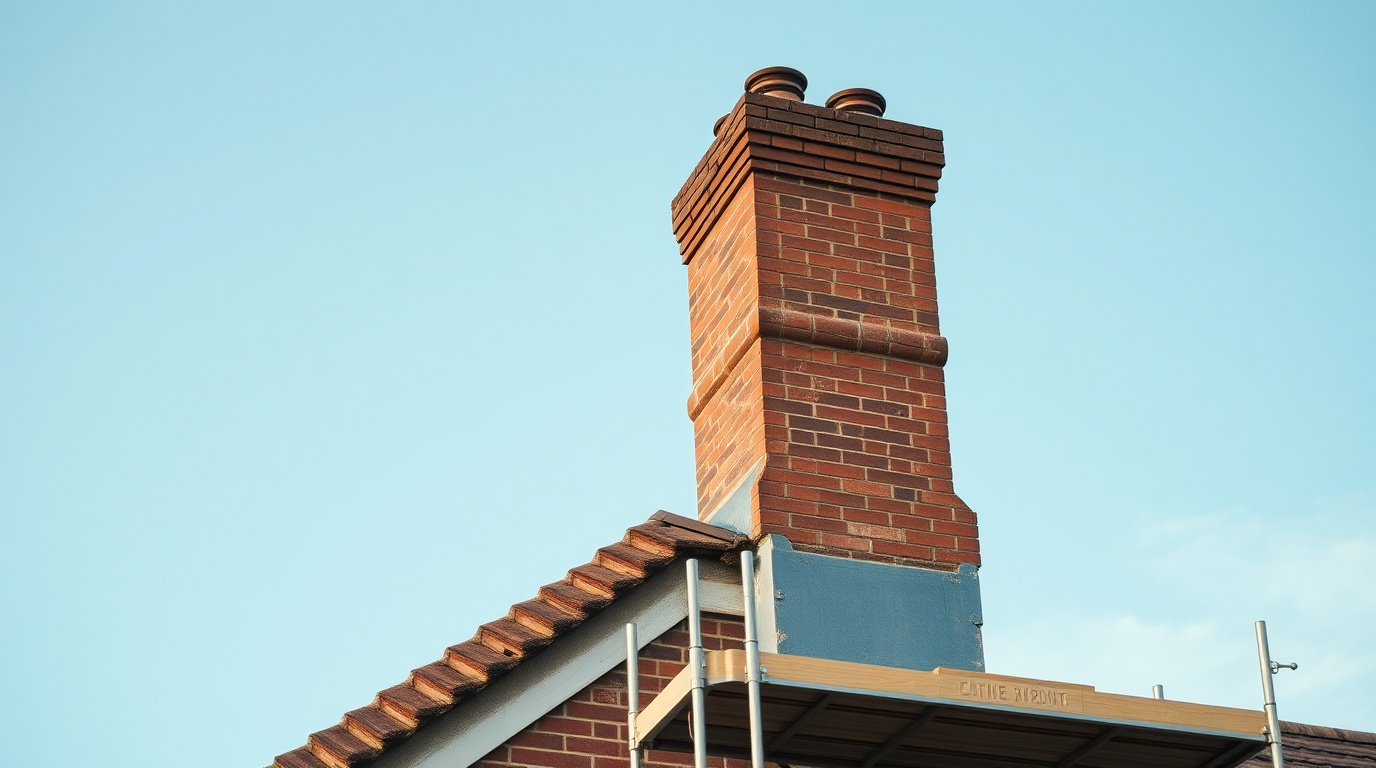
Crumbling chimney mortar is dealt with by repointing — raking out the soft, failed mortar from the joints and replacing it with sound new mortar. Mortar crumbles because the chimney is the most weather-exposed masonry on the house, so the joints take constant rain and frost; over time freeze-thaw action, weathering and (on older stacks) sulphate attack break the mortar down until it turns to sand. Failed pointing lets water straight into the stack, which leads to spalling brick, a damp chimney breast and eventually a leaning or unstable stack. The repair must use the right mortar — a lime-based mix on older or solid chimneys so the joints stay softer and more breathable than the brick — and it should be done before the mortar loss starts to threaten the stack's stability.
Mortar is the glue and the seal of a chimney, and it is also the part that weathers first. Crumbling pointing is an early, fixable warning that should not be left to run.
Crumbling mortar at a glance
- The fixrake out and repoint
- Why it crumblesfrost, weathering, sulphate
- Leads tospalling, damp, instability
- Older stacksuse lime-based mortar
- Timingrepoint before it spreads
Why chimney mortar crumbles
Mortar does two jobs in a chimney: it bonds the bricks together and it seals the joints against water. Because the stack stands clear of the roof and is hit by rain, wind and frost on every face, its mortar weathers faster than anywhere else on the building, and it is usually the first part of the chimney to fail. The main driver is freeze-thaw action: the joints absorb rainwater, it freezes and expands, and over repeated British winters this breaks the mortar down until it becomes soft, recessed and eventually crumbles to sand that washes out onto the roof below.
Other factors accelerate it. General weathering and wind-driven rain erode the joints over decades. On older chimneys, sulphate attack — sulphates from old flue gases and rainwater reacting with the cement — can expand and degrade the mortar from within. And a common avoidable cause is the wrong mortar in the first place: a hard, brittle cement mortar used on an old soft-brick chimney does not flex with the masonry, cracks, and lets water in behind it, so it fails prematurely and can damage the brick as well.
What failed pointing leads to
Crumbling mortar is rarely just a cosmetic blemish, because the joints are the chimney's water seal. Once they fail, rain gets straight into the masonry, and from there a chain of more expensive problems follows. The water freezes and expands inside the brick, causing spalling — the brick faces flaking and crumbling away. It soaks the stack and drives penetrating damp through to the chimney breast inside the house, with the stained walls and blown plaster that come with it. And because the mortar is also what holds the bricks together, severe mortar loss weakens the structure of the stack, contributing over time to bowing, leaning or, in extreme neglect, falling masonry.
This is why repointing is one of the most worthwhile pieces of chimney maintenance: it is comparatively cheap and straightforward when the mortar first starts to recede, but the cost and disruption multiply once that failure has been allowed to spread into the brick, the inside of the house and the stability of the stack. Catching it early keeps a repointing job from turning into a rebuild.
How repointing is done
Repointing means removing the failed mortar and replacing it. The old, soft material is raked or cut out to a consistent depth — far enough to reach sound mortar and give the new pointing a proper key, but carefully so the brick edges (arrises) are not damaged. The joints are then brushed out, dampened down, and filled with fresh mortar, compacted and finished to a weather-shedding profile. On a chimney the work is at height, so it needs safe access — usually scaffolding or a roof access platform — which is part of why getting other jobs (crown, flashing, pots) done in the same visit makes sense.
| Element | What is involved | Indicative cost range |
|---|---|---|
| Repoint chimney stack | rake out and repoint joints | £500–£1,500 |
| Repoint plus crown repair | joints and flaunching together | £700–£2,000 |
| Scaffold / access | tower or roof access | £300–£1,000+ |
| Rebuild (if too far gone) | dismantle and rebuild top | £1,000–£3,000+ |
Indicative figures for guidance; height, access and stack size drive cost. Sources: Checkatrade / HomeOwners Alliance.
Getting the mortar right
The single most important decision in repointing a chimney is the mortar mix, and the guiding rule is that the pointing should be softer and more breathable than the brick. On older and solid-wall chimneys, a lime-based mortar is usually correct: it flexes with the masonry, allows the wall to breathe and dry, and sacrifices itself ahead of the brick when it weathers. Using a hard cement mortar on soft historic brick is a frequent and damaging mistake — it traps moisture behind an impermeable joint, cracks because it cannot flex, and forces water and frost damage into the brick faces instead. On newer chimneys built with modern, harder bricks a cement-based mortar may be appropriate. Matching the colour and joint profile of the original also keeps the repair visually right, which matters on period and listed buildings. Because the choice depends on the age and construction of the chimney, it is worth confirming the correct mix with a competent mason rather than defaulting to whatever is to hand.
Frequently asked questions
How do I know if my chimney needs repointing?
Look for mortar joints that are recessed, cracked, soft or missing, sand collecting on the roof below the stack, and gaps you can see daylight or a key through. If you can rake mortar out with a finger or screwdriver, the pointing has failed and needs renewing.
Can I repoint a chimney myself?
The technique is learnable, but a chimney is at height and needs safe access plus the correct mortar mix for the age of the brickwork. Getting the mix wrong — using hard cement on soft old brick — can damage the chimney, so most homeowners use a competent mason.
Should chimney mortar be lime or cement?
On older and solid-wall chimneys, lime-based mortar is usually right because it stays softer and more breathable than the brick. Hard cement mortar can trap moisture and damage soft historic brick. Newer chimneys with modern brick may suit a cement-based mix.
Sources & further reading
- HomeOwners Alliance — chimney repair guidance
- SPAB — repointing and lime mortar advice
- Checkatrade — repointing costs
Figures on this page are typical UK ranges drawn from published sources and depend on your specific chimney. They are guidance, not a quotation.