The short answer
Half (above-roof) removal takes the chimney stack down to roof level (or into the loft) and makes the roof watertight, while leaving the chimney breasts in the rooms below. It is the cheaper, less disruptive option, ends the high-level weather exposure and maintenance, but gains no internal space. Full removal takes out the breasts as well, reclaiming the floor area they occupy, but it is a bigger structural job: chimney breasts often help support floors and the stack above, so removing them needs proper structural support (beams or gallows brackets) designed by a competent person and usually building regulations approval. The choice depends on whether you want the internal space and how much structural work and cost you are prepared for.
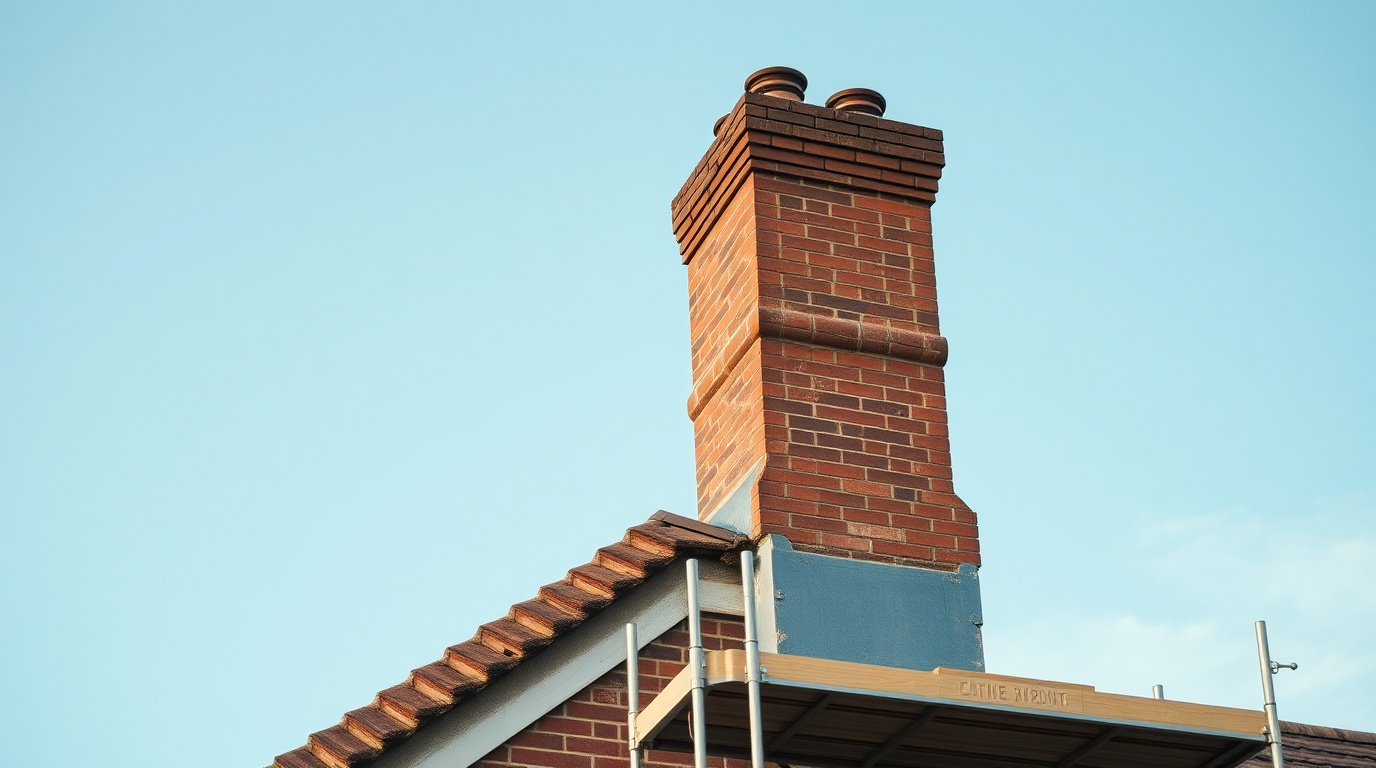
Removing a chimney is not all-or-nothing — you can stop at the roofline or go all the way to the ground floor. Each level of removal changes the cost, the space gained and the structural complexity.
Half vs full removal
- Half removalstack down to roof level
- Full removalstack and breasts out
- Space gainednone (half) / rooms (full)
- Structureminor (half) / support (full)
- Regslikely for both, more for full
What half (above-roof) removal involves
Half removal, often called above-roof or partial removal, takes the chimney down from the top to roof level — sometimes a little into the loft — and then makes the roof good where the stack stood, usually by infilling with matching tiles or slates over new structure. The chimney breasts in the rooms below are left in place, so the inside of the house is largely undisturbed.
This is the cheaper and quicker of the two options and the one most people mean when they want to be rid of a problem stack. Its main benefits are practical: it ends the weather exposure and maintenance of the high-level masonry — no more crown, flashing, pointing or spalling to worry about — and it removes the safety risk of a deteriorating stack high on the roof. Because it does not touch the structural breasts inside, the structural implications are modest, though the roof infill must be done properly to stay watertight and the work still typically needs building regulations approval. What half removal does not do is free up any internal space — the breasts, and the floor area they take up, remain.
What full removal involves
Full removal takes out the chimney breasts as well as the stack, all the way down through the rooms they pass through, and makes good the walls, floors and ceilings. Its big advantage is reclaiming internal space: a chimney breast occupies a meaningful chunk of each room, and removing it can allow a better layout, fitted furniture, or a larger bathroom or bedroom. For owners who will never use the chimney and want the space, full removal is the option that delivers it.
The catch is structure. Chimney breasts are not just decorative — they frequently help carry the floor joists above and the weight of the remaining stack. Removing a breast on one floor while leaving the stack or breast above means that load has to be supported by other means, typically steel beams or gallows brackets designed for the purpose. This must be specified by a structural engineer or signed off through building control, and getting it wrong risks serious movement or collapse of the masonry above. Full removal is therefore a more involved, more expensive and more disruptive job than half removal, and it almost always requires building regulations approval.
Comparing the options
The table sets out the practical differences. The figures are indicative; cost varies widely with the size of the stack, access, the number of floors involved and the structural work needed.
| Factor | Half (above-roof) | Full removal |
|---|---|---|
| Removes | stack to roof level | stack and breasts |
| Internal space gained | none | floor area in each room |
| Structural work | minor (roof infill) | beams / gallows brackets |
| Indicative cost | £1,000–£2,500 | £2,500–£5,000+ |
| Building regs | usually required | required |
Indicative figures for guidance; floors, access and structure drive cost. Sources: Checkatrade / HomeOwners Alliance.
Which to choose
The decision turns on what you want out of it. If your aim is simply to stop maintaining a failing stack and remove the high-level risk, and you do not need the internal space, half removal is the sensible, more economical choice — it solves the weather and safety problem with the least disruption. If you specifically want to reclaim the floor space the breasts occupy, and you are prepared for the structural work, cost and disruption, full removal delivers that, but it should be planned properly: get the structure assessed by an engineer, arrange the support and building control approval, and budget for making good the rooms. For either route, remember that on listed buildings or in conservation areas additional consent may be needed, and that retaining the chimney preserves the option of a future fire or stove. Where you are unsure, a survey and structural advice will tell you both what is feasible and what each option will actually cost.
Frequently asked questions
Is half or full chimney removal cheaper?
Half (above-roof) removal is cheaper because it stops at roof level and leaves the structural breasts inside untouched. Full removal costs more as it involves taking out the breasts, supporting the loads they carry with beams or brackets, and making good the rooms.
Do you need building regulations to remove a chimney?
Yes, in most cases. Both half and full removal usually require building regulations approval, and full removal — which involves transferring structural loads onto beams or gallows brackets — always does. On listed buildings or in conservation areas, additional consent may also be needed.
Does removing a chimney breast give much extra room?
It can. A chimney breast projects into each room it passes through, so removing it frees up that floor area and can allow fitted furniture or a better layout. Whether the gain is worth the cost and structural work depends on the room and your plans.
Sources & further reading
- HomeOwners Alliance — chimney guidance
- Checkatrade — chimney removal costs
- RICS — get the work priced up or structural engineer
Figures on this page are typical UK ranges drawn from published sources and depend on your specific chimney. They are guidance, not a quotation.