The short answer
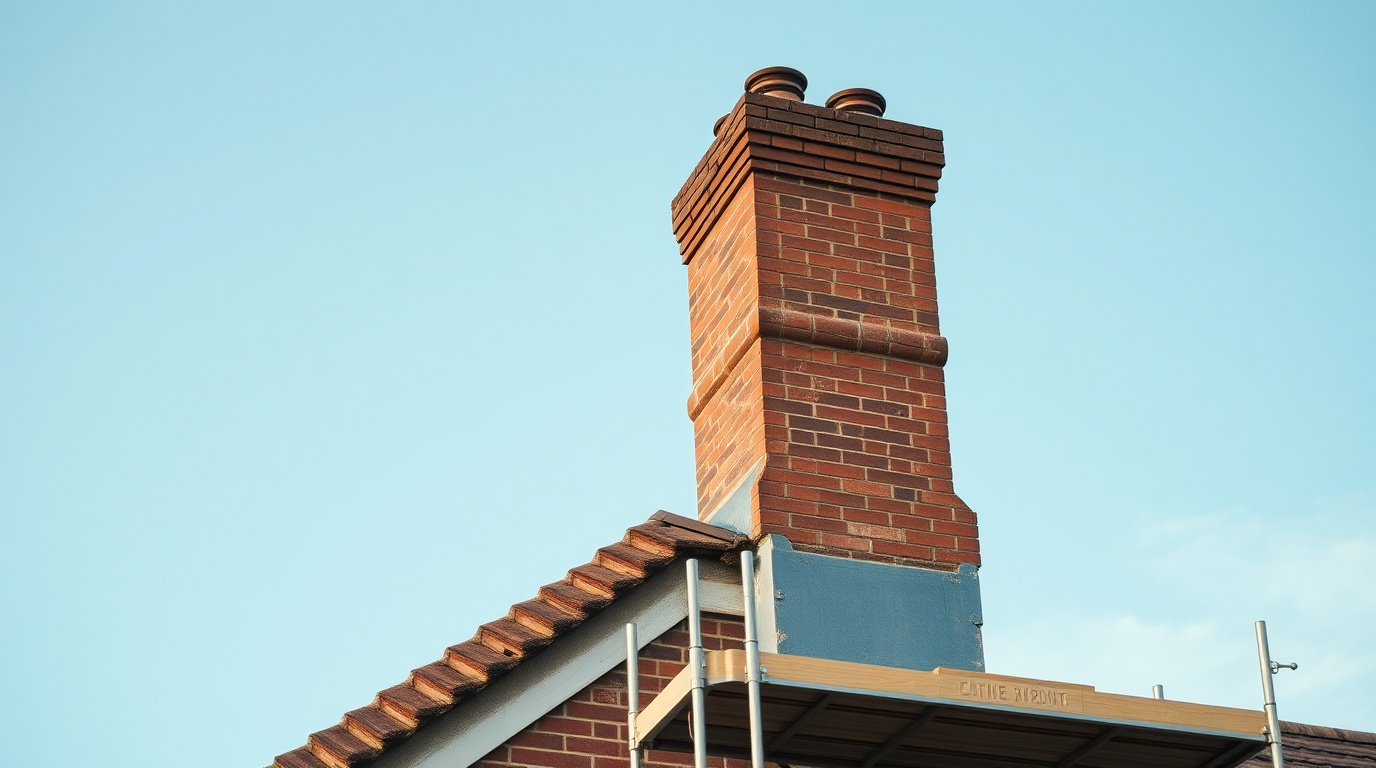
A leaning chimney can be dangerous and should always be assessed by a professional, because a stack that fails can drop masonry onto the roof, the street or people below. Not every lean is an emergency — a slight, long-standing tilt may be stable — but a lean that is recent, increasing, or paired with cracking, loose pots or crumbling mortar needs prompt attention. Common UK causes include sulfate attack on mortar (where flue gases and damp react with the mortar so it expands on one side and bows the stack), decayed or eroded mortar, frost damage, and foundation movement. Because you cannot tell from the ground how sound the masonry is, a structural engineer or experienced chimney specialist should inspect a noticeable lean.
A lean is a symptom, and the question is what is causing it and whether it is moving. Here is how to judge the risk.
Assessing a leaning stack
- Alwayshave it professionally assessed
- Higher riskrecent or increasing lean
- Common causesulfate attack on mortar
- Warning signscracks, loose pots, debris
- Who to callstructural engineer / specialist
Why a lean can be dangerous
A chimney stack is a tall, heavy column of masonry sitting at the highest, most exposed point of the building. If the brick or stone is failing, a stack can shed bricks or, in the worst case, partly collapse — onto the roof, into the loft, or down to ground level. The danger is greatest in high winds and after the freeze-thaw of winter. The difficulty is that a stack can look broadly upright from the street while the mortar inside the joints has decayed, so the lean is only one visible clue. That is why a noticeable lean is treated as a reason to investigate rather than assume it is fine.
What makes a chimney lean
Several mechanisms cause stacks to tilt. Sulfate attack is a classic one: sulfates in flue gases combine with moisture and react with the mortar, which expands. Because the leeward (sheltered) side stays damper for longer, it expands more, and the stack slowly bows or leans, often away from the prevailing weather. Decayed or eroded mortar from age and weathering weakens the joints. Frost damage breaks down saturated brick and mortar over repeated winters. Less commonly, foundation or structural movement below tilts the whole stack. Identifying the cause matters, because it decides whether the fix is repointing, partial rebuild, or full rebuild.
| Cause | What is happening | Typical remedy |
|---|---|---|
| Sulfate attack | Mortar expands, stack bows | Rebuild affected section |
| Decayed mortar | Joints weak and eroded | Repoint or rebuild |
| Frost damage | Brick and mortar break down | Replace bricks, repoint |
| Foundation movement | Whole stack tilts | Structural investigation |
Indicative; the right remedy depends on the diagnosis. General guidance only.
Warning signs and what to do
Treat a leaning chimney more seriously if you also see stepped or diagonal cracks in the stack, gaps opening at the mortar joints, loose or tilting pots, fallen debris in the gutters or on the ground, or a lean that has visibly increased. Inside, damp patches on the chimney breast can point to water getting into failing masonry. If you spot these, keep clear of the area below in high winds and arrange an inspection. A structural engineer or an experienced chimney specialist can assess the stack — often using access equipment — and advise whether repointing, a partial rebuild or a full rebuild is needed. Do not delay if the lean is recent or worsening.
Frequently asked questions
Should I worry about a slight chimney lean?
A slight, long-standing lean may be stable, but you cannot tell from the ground whether the masonry is sound. Any noticeable lean is worth a professional inspection, and a recent or increasing lean needs prompt attention.
What is sulfate attack on a chimney?
Sulfate attack is where sulfates in flue gases react with moisture and mortar, making the mortar expand. The damper, sheltered side expands more, so the stack slowly bows or leans, often needing the affected section rebuilt.
Who should inspect a leaning chimney?
A structural engineer or an experienced chimney specialist should inspect it, usually with access equipment, to judge the cause and whether repointing, a partial rebuild or a full rebuild is required.
Sources & further reading
Figures on this page are typical UK ranges drawn from published sources and depend on your specific chimney. They are guidance, not a quotation.