The short answer
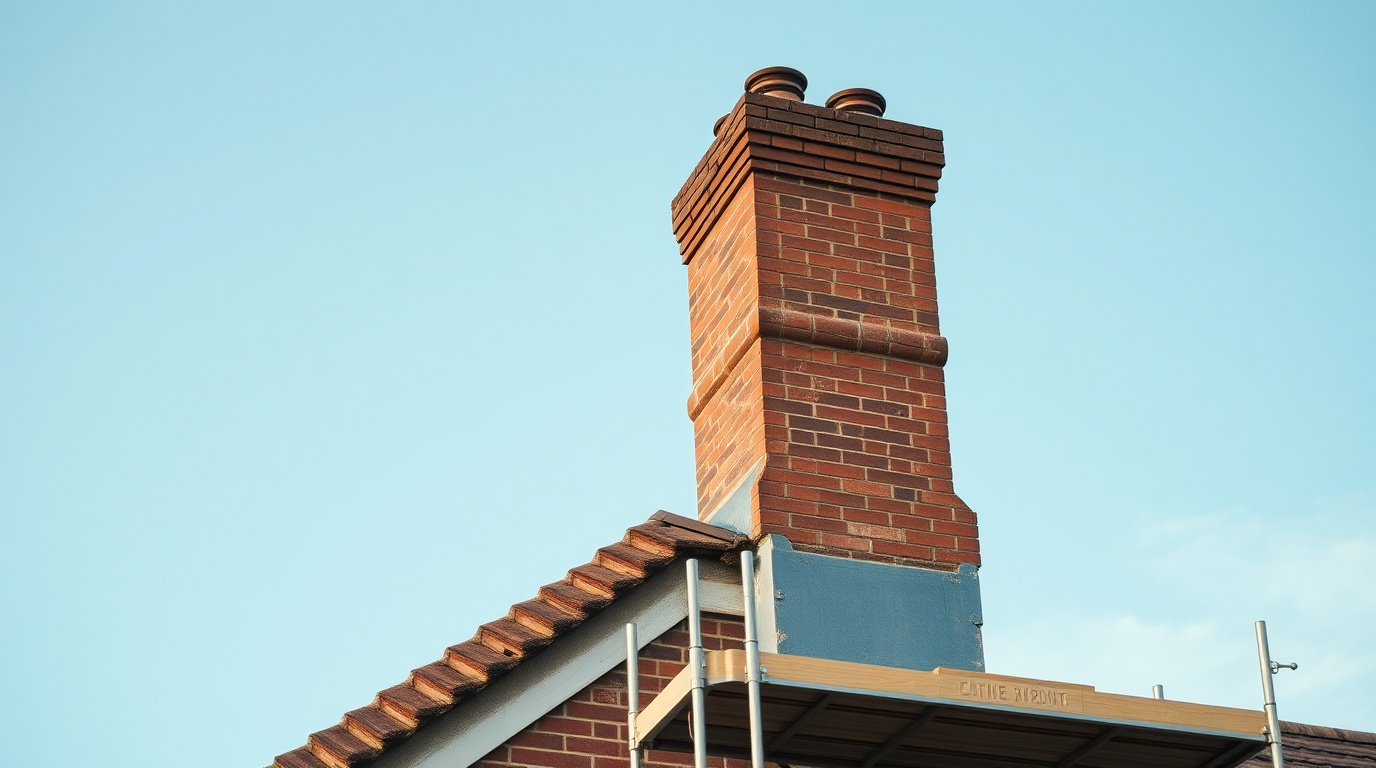
Whether to remove or repair an unused chimney depends on its condition, your plans and the building. Keeping and maintaining it suits a sound stack — it preserves character, a future open-fire or stove option, and resale appeal, and a disused flue only needs to be kept watertight and ventilated (a capped, vented cowl above and an airbrick below) to avoid trapped damp. Removing it makes sense where the stack is badly deteriorated, where the chimney breast is taking up valuable internal space, or where ongoing maintenance is unwanted. Removal can be partial (down to roof level, keeping the lower breast) or full, but it has structural implications: a chimney breast often helps support the floors and roof, so removal usually needs structural support and may require building regulations approval.
An unused chimney is not doing any work, but it is rarely a simple thing to remove. The choice balances upkeep against structure, space and the character that a chimney lends a home.
Keep or remove
- Keep / repairsound stack, want the option
- Removedeteriorated or space wanted
- Disused flue needswatertight and ventilated
- Removal typespartial or full
- Watch forstructural support, regs
The case for keeping and repairing
Keeping a disused chimney is often the simpler and cheaper course, and for many homes it is the sensible one. A sound stack needs only to be kept watertight and ventilated: the crown, pointing and flashing maintained so rain stays out, and the flue given a path for air — a capped but vented cowl on the pot and an airbrick or vent in the breast below — so moisture cannot build up and cause trapped damp. That is modest, occasional maintenance rather than a major commitment.
The arguments for keeping it are real. A chimney preserves the option of a future open fire, wood-burning stove or flued appliance, which is hard and expensive to reinstate once a stack is gone. It retains the period character and proportions of the house, which matters on traditional and listed properties and to many buyers. And it avoids the structural disturbance and cost of removal. For a stack that is in reasonable condition, repairing and ventilating it is usually the lower-risk, lower-cost decision.
The case for removing it
Removal becomes attractive when the chimney is a liability rather than an asset. A stack that is badly deteriorated — leaning, heavily spalled, or with mortar failed throughout — may cost as much to make safe as to remove, and removing it ends the maintenance permanently. Internally, a chimney breast occupies a surprising amount of floor space in each room it passes through, and taking it out can free up room for fitted furniture, a larger bathroom, or a tidier layout. Some owners simply prefer not to maintain a feature they will never use.
Removal comes in two forms. Partial removal takes the stack down to roof level (or to the loft) and makes the roof good, while keeping the chimney breasts in the rooms below — this ends the weather exposure and high-level risk with less internal disruption. Full removal takes out the breasts as well, reclaiming the internal space, but is the bigger job. The important caveat is structural: chimney breasts frequently help carry floor joists and the stack above, so removing them usually requires support (such as gallows brackets or beams) designed by a competent person, and the work commonly needs building regulations approval.
Comparing the choices
The table sets out the main considerations. The right choice depends on the stack's condition, your plans for the space and whether you want to retain a future fire option.
| Factor | Keep and repair | Remove |
|---|---|---|
| Choose when | stack sound, want the option | deteriorated or space needed |
| Indicative cost | £300–£1,500 maintenance | £1,000–£3,500+ (part/full) |
| Future fire / stove | retained | lost |
| Internal space | unchanged | gained (full removal) |
| Structural / regs | minimal | support and approval likely |
Indicative figures for guidance; scope, access and structural work drive cost. Sources: Checkatrade / HomeOwners Alliance.
How to decide
Weigh four things: the condition of the stack, your plans for the space and for heating, the structural consequences, and the value the chimney adds. If the stack is sound and you might ever want a fire or stove, keeping and ventilating it is usually the better, lower-risk decision — and it protects resale appeal on character homes. If the stack is failing, the breast is wasting space you need, and you have no interest in a future fire, removal can be worthwhile, but plan it properly: get the structure assessed, arrange the necessary support and building control approval, and decide between partial and full removal on the basis of how much disruption and space-gain you want. On listed buildings or in conservation areas, removing a chimney may also need consent and should be checked before any work. Because both routes have cost and structural implications, a survey and, for removal, structural advice are the sound basis for the choice.
Frequently asked questions
Does removing a chimney reduce house value?
It can on period and character homes, where a chimney is part of the appeal and supports a future open fire or stove. On a property where the stack is failing or the breast wastes valuable space, sympathetic removal may be neutral or positive. It depends on the house and the buyer.
Do I need permission to remove a chimney?
Removing a chimney breast usually involves structural work that needs building regulations approval, and on listed buildings or in conservation areas it may need additional consent. Always check with building control, and on protected buildings with the local conservation officer, before starting.
How do you stop a disused chimney getting damp?
Keep it watertight and ventilated. Maintain the crown, pointing and flashing so rain stays out, fit a capped but vented cowl on the pot, and add an airbrick or vent to the breast below. Air must be able to flow so moisture does not get trapped.
Sources & further reading
- HomeOwners Alliance — chimney guidance
- Checkatrade — chimney removal costs
- RICS — get the work priced up for structural advice
Figures on this page are typical UK ranges drawn from published sources and depend on your specific chimney. They are guidance, not a quotation.