The short answer
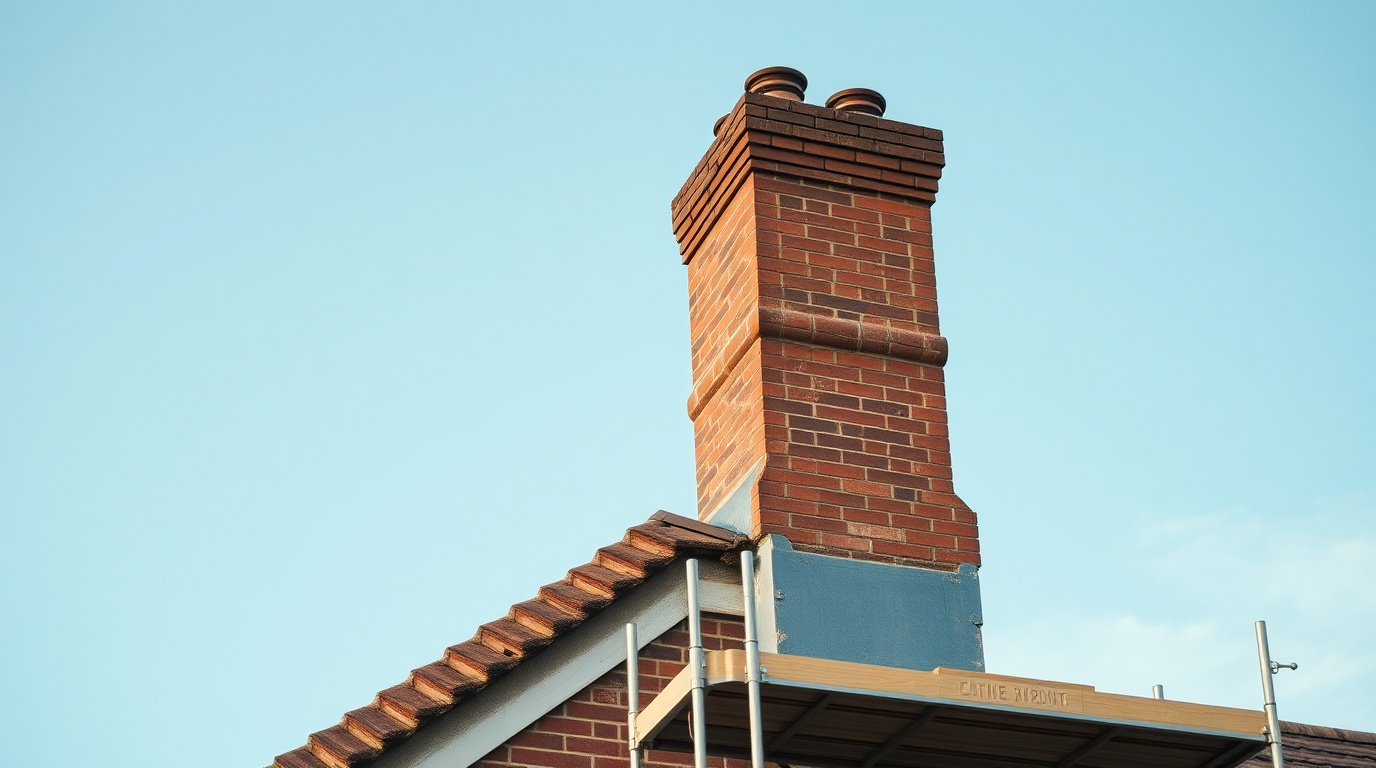
The most common signs a chimney needs repair are crumbling or missing mortar in the joints, spalling brickwork where the brick faces flake or crumble, a cracked or eroded crown or flaunching at the top, and damp patches on the chimney breast inside the house. From the roof you may see a leaning stack, slipped or loose flashing where the chimney meets the roof, and white staining (efflorescence) on the brick. Inside, look for staining around the fireplace, a musty smell, or debris falling into the grate. Many of these are caused by water getting into the masonry through failed pointing or flashing, so most repairs aim to keep water out.
A chimney is one of the most weather-exposed parts of a house, so problems show up there first. Spotting the signs early keeps a small repointing job from turning into a rebuild.
Common warning signs
- Outsidespalling brick, failed mortar
- At the topcracked crown or flaunching
- At the roofloose flashing, leaning stack
- Insidedamp chimney breast, staining
- Underlying causeusually water ingress
Signs you can see from the ground
You can spot many chimney faults from the garden or street with a pair of binoculars, and this is the safest place to start. Look first at the mortar joints: sound pointing sits flush and firm, while a chimney needing work shows recessed, cracked or missing mortar, sometimes with sand visibly washing out and collecting on the roof below. Next, study the bricks themselves. Spalling — where brick faces flake, blister or crumble away — is a clear sign that water has been getting in, freezing and breaking the masonry apart over successive winters. A chimney that has lost its crisp brick edges and looks soft or pitted is telling you the same thing.
Then look at the overall line of the stack. It should rise straight and true; a stack that leans, bows or has an obvious tilt at the top is a structural warning that should not be ignored. Finally, check the very top — the crown or flaunching, which is the sloped mortar or concrete cap that holds the pots and sheds rain. Cracks, gaps or missing sections here let water straight into the structure. White, powdery deposits on the brickwork (efflorescence) are also worth noting, as they show water is moving through the masonry and carrying salts to the surface.
Signs at the roof line
Where the chimney passes through the roof, the junction is sealed with flashing — usually lead — and this is a frequent leak point. Slipped, lifted, cracked or corroded flashing, or old mortar fillets that have cracked and fallen away, allow rain to track down the side of the stack and into the roof space. If you have access to the loft, inspect the timbers and brickwork around the chimney for water stains, damp or rot; staining that appears only after rain points to a flashing or pointing fault rather than condensation.
The same area can reveal a structural problem. A stack that has started to lean often does so because the mortar on the weather-facing side has eroded faster, or because sulphate attack from old flue gases has expanded the joints on one face. Stepped or diagonal cracking in the brickwork, gaps opening between the stack and the roof, or a chimney that has clearly moved relative to the ridge all warrant a closer inspection by a professional. Roof-level checks should be left to a roofer or chimney specialist with proper access equipment rather than attempted from a household ladder.
Signs inside the house
Many chimney faults announce themselves indoors before the cause is obvious outside. The clearest is a damp patch on the chimney breast — a tide-marked or discoloured area on the wall or in the bedroom above the fireplace, often with a yellowish-brown halo. Penetrating damp from a failed crown, pointing or flashing usually appears or worsens after wet weather. Crumbling plaster, blown paint or salt deposits on the chimney breast point the same way, as moisture carries salts out of the wall and pushes the finish off.
Other internal clues include debris in the grate (fragments of brick, mortar or pot falling down the flue), a musty or sooty smell, draughts where there should be none, and staining around the fireplace opening. If you use the fire, a flue that draws poorly or pushes smoke back into the room can indicate a blockage, a damaged liner or movement in the stack. Where a chimney is no longer in use, blocked-up but unventilated breasts are a common source of trapped damp. Any of these signs justifies a survey; several together usually mean repairs are overdue.
What the signs usually mean
Almost every chimney repair traces back to the same root cause: water getting into masonry that was meant to shed it. The crown, pointing, flashing and brick faces are the chimney's weather defences, and once any of them fail, rain soaks the structure, freezes in winter, and breaks it apart a little more each year. That is why the symptoms overlap — spalling brick, white staining, a damp breast and crumbling mortar are often different faces of one underlying leak. Catching it early usually means a localised repair: repointing a few courses, recasting the crown, or renewing a length of flashing, all of which cost far less than the rebuild that becomes necessary if water is left to do its work. A professional survey can confirm which defects are present and whether the stack is sound enough to repair or has deteriorated to the point where rebuilding the top section is the sensible course.
Frequently asked questions
How urgent is a leaning chimney stack?
Treat it as a priority. A genuine lean usually means mortar or brickwork has failed structurally, and a stack that falls can injure people and cause serious roof damage. Have it inspected by a chimney or roofing specialist without delay.
Can I check my chimney myself?
You can do a useful ground-level inspection with binoculars, looking for failed mortar, spalling brick, a leaning stack and a cracked crown, and you can check the loft for damp. Roof-level work needs proper access equipment and should be left to a professional.
Does a damp chimney breast always mean the chimney is at fault?
Not always. It can also come from condensation in a blocked-up unventilated flue or from internal plumbing. But penetrating damp that appears or worsens after rain usually points to a failed crown, pointing or flashing on the chimney itself.
Sources & further reading
- HomeOwners Alliance — chimney repair guidance
- Checkatrade — chimney repair costs and signs
- NFRC — National Federation of Roofing Contractors
Figures on this page are typical UK ranges drawn from published sources and depend on your specific chimney. They are guidance, not a quotation.