The short answer
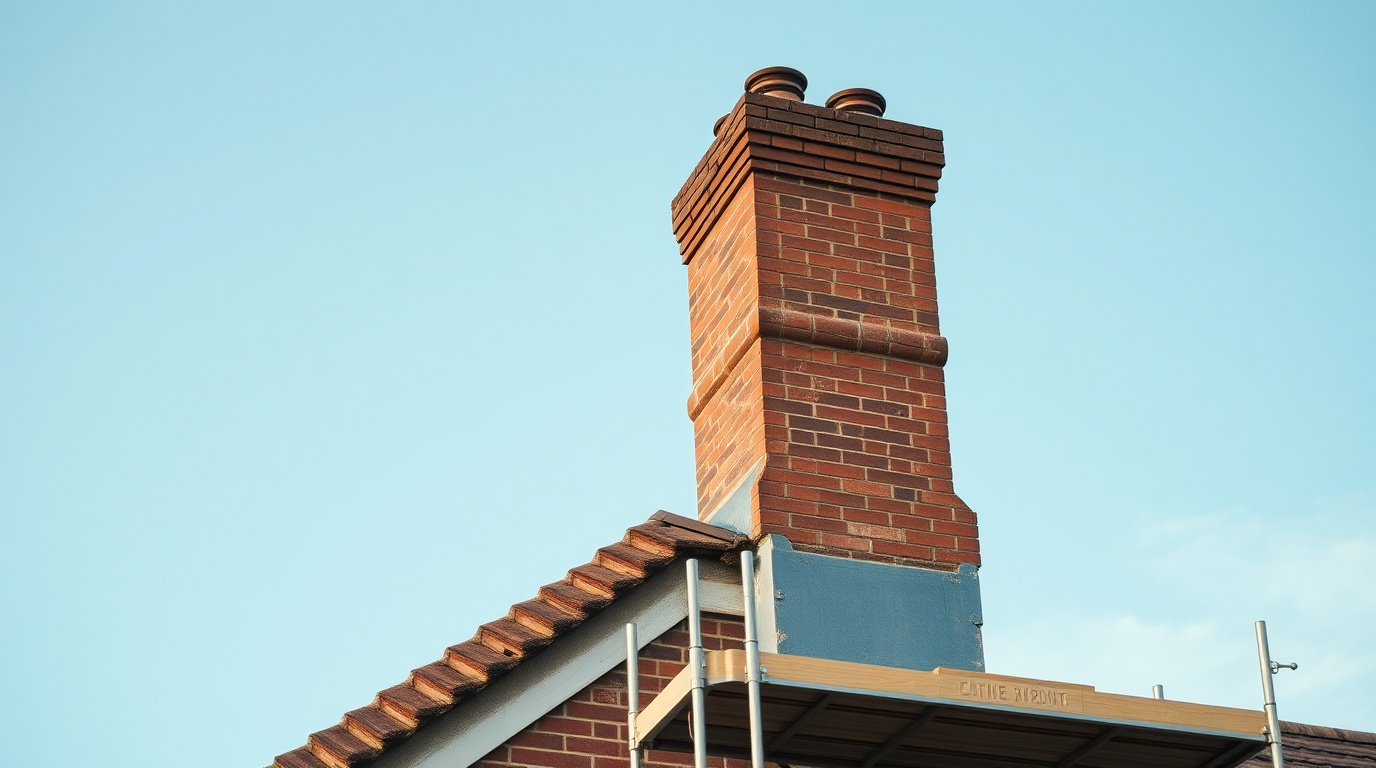
A chimney usually leaks because rainwater finds a way through one of its weather defences. The most common causes are failed flashing where the chimney meets the roof, a cracked or eroded crown at the top, perished pointing in the mortar joints, porous or spalling brickwork, and damaged or missing chimney pots and flaunching. The fix depends on the cause: renewing lead flashing, recasting the crown, repointing the joints, applying a breathable water-repellent to sound brick, or refitting pots and flaunching. The first job is always diagnosis — tracing where water enters — because treating the wrong defect, or sealing the whole stack with the wrong product, can trap moisture and make damp worse.
Chimney leaks rarely have a single obvious cause, and water often travels some distance from where it enters to where the stain appears. Pinning down the true entry point is what makes the repair last.
Common leak causes
- Flashinglead junction with roof fails
- Crowncracked or eroded cap
- Pointingperished mortar joints
- Brickporous or spalling masonry
- Potscracked pot or flaunching
Where chimneys leak from
Water can enter a chimney at several points, and a stain on the ceiling or chimney breast is often some distance below the real fault. The single most common culprit is the flashing — the lead (occasionally mortar or modern flashing tape) that seals the joint where the stack passes through the roof. Lead flashing should be dressed into the brickwork and over the roof covering; when it slips, lifts, cracks or corrodes, or when the old mortar fillet holding it cracks away, rain tracks straight down the side of the stack and into the roof space. Because this junction is so exposed, flashing failure accounts for a large share of chimney leaks.
The crown or flaunching at the top is the next prime suspect. This sloped cap sheds rain away from the flue and beds the pots in place; once it cracks or erodes, water pours into the heart of the stack. Perished pointing — soft, recessed or missing mortar in the joints — lets water soak into the wall, and spalling or naturally porous brick can absorb so much rain that the inner face stays wet. Finally, cracked pots or a poor flaunching seal around them admit water directly into the flue. Often more than one of these is at work at once.
Tracing the source before you repair
Because water travels, the visible stain rarely sits directly under the leak, so diagnosis matters more than any single repair. A specialist will inspect the stack, crown, pointing, flashing and pots at roof level and check the loft and chimney breast inside for the pattern of staining. The timing and shape of the damp are useful clues: penetrating damp tied to wind-driven rain on one elevation often points to porous brick or pointing on that face; damp that appears with any heavy rain frequently means flashing or crown failure; debris in the grate suggests the crown, pots or liner.
It is worth ruling out causes that are not the chimney's fabric at all. Condensation inside a blocked-up, unventilated flue can mimic a leak, leaving a damp breast with no external defect. Internal plumbing running near the stack can also be blamed unfairly. A water test — wetting one part of the stack at a time while someone watches inside — can isolate the entry point. Getting this right avoids the common and costly mistake of repointing or re-flashing a stack whose real problem was elsewhere.
How each cause is fixed
Once the source is known, the repair is usually targeted rather than wholesale. Flashing is renewed by stripping the old material and installing fresh lead (or an approved alternative), dressed into a chased joint and over the roof covering. A cracked crown is repaired by removing the failed flaunching and casting a new mortar or concrete crown with a proper overhang and drip. Perished pointing is cut out and the joints repointed with a suitable mortar — lime-based on older or solid-wall chimneys, so the joints stay softer and more breathable than the brick. Spalling brick may be cut out and replaced, and where the masonry is sound but porous a breathable water-repellent can reduce absorption. Cracked pots are replaced and re-bedded in fresh flaunching.
| Cause | Typical fix | Indicative cost range |
|---|---|---|
| Failed flashing | renew lead flashing | £300–£900 |
| Cracked crown | recast crown / flaunching | £250–£800 |
| Perished pointing | repoint joints | £500–£1,500 |
| Spalling brick | cut out and replace | £400–£1,200+ |
| Cracked pot | replace and re-bed pot | £150–£500 |
Indicative figures for guidance, varying with access, scaffold and stack size. Sources: Checkatrade / HomeOwners Alliance cost guidance.
Cost and when to act
The figures above are guidance only, because the largest variable on a chimney is usually access: a stack that needs a tower scaffold or roof access will cost more than the repair itself in some cases, and that fixed cost makes it sensible to tackle several defects in one visit while the access is up. A single repointing or flashing repair runs into the hundreds; a stack needing crown, pointing, flashing and pots together can reach a few thousand pounds, at which point rebuilding the top section may be the better value. The case for acting early is simple: a chimney leak does not stay still. Water that enters through one failed defence soaks the surrounding masonry, freezes and breaks it apart over winters, and spreads damp into plaster and timber. The least costly repair is almost always the one done when the first damp patch or slipped flashing appears, before the leak has had a chance to spread.
Frequently asked questions
Why does my chimney only leak when it rains hard from one direction?
That usually means porous brick or perished pointing on the weather-facing elevation. Wind-driven rain saturates that face faster than it can dry, soaking through to the inner leaf. Repointing or a breathable water-repellent on that face is the typical fix.
Can I waterproof my chimney to stop a leak?
Only with a breathable, vapour-permeable repellent on sound, dry masonry, and only once the real defect — flashing, crown or pointing — has been repaired. Sealing a stack with an impermeable coating can trap moisture and make spalling worse.
Is a leaking chimney covered by home insurance?
Sometimes for sudden, accidental damage such as storm-blown flashing, but rarely for gradual deterioration or general wear, which most chimney leaks are. Check your policy wording, as long-term weathering and lack of maintenance are commonly excluded.
Sources & further reading
- HomeOwners Alliance — chimney repair guidance
- Checkatrade — chimney repair costs
- NFRC — flashing and roof junction guidance
Figures on this page are typical UK ranges drawn from published sources and depend on your specific chimney. They are guidance, not a quotation.