Chimney repair costs, explained without the sales pitch
UK chimney repair guidance

Chimney repair costs, explained without the sales pitch

What repointing, rebuilding, flaunching and removing a chimney really cost, the signs your chimney needs work, and the scaffolding and Building Regulations rules. Every figure is a range, with its source.

~£300–£1,000 typical chimney repointing£2,000–£10,000+ full stack rebuildNotifiable stack removal under Building Regs
Cited sourcesCheckatrade, MyJobQuote, building controlRanges, not promisescosts depend on your chimneyVetted specialistschecked & introduced

In 40 seconds

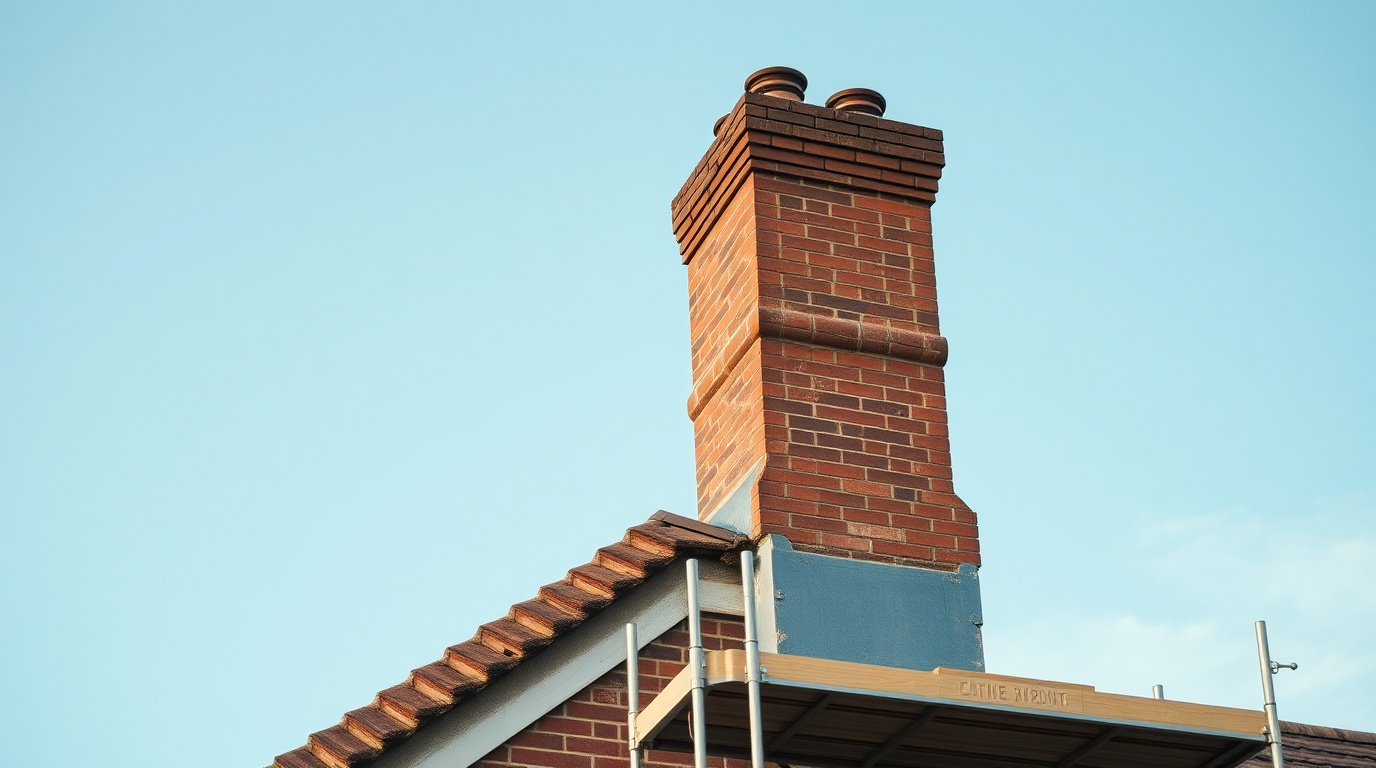
Structural chimney repair in the UK covers a wide range of jobs. Repointing a chimney typically costs around £300–£1,000 depending on size and access, with around £750 common. Flaunching — renewing the mortar bed at the top of the stack — is often a few hundred pounds on its own, and lead flashing where the stack meets the roof usually runs £400–£1,500. A full stack rebuild is the big one, commonly £2,000–£10,000+. Removing a chimney stack is notifiable work under the Building Regulations. Because all of it happens at roof level, it is working at height and normally needs scaffolding. The honest answer is always a range, because it depends on your chimney's size, condition and access.

Most chimney-repair guidance is published by firms doing the work, so the numbers tend to be optimistic and the rules glossed over. The pages below give honest cost ranges for repointing, rebuilding, flaunching and removal, explain the signs your chimney needs work, and set out the scaffolding and Building Regulations rules — before you take a single quote.

~£750
typical repointing
£2k–£10k+
stack rebuild
£400–£1,500
lead flashing
Notifiable
stack removal

Cost & pricing

What repointing a chimney actually costs in the UK.

Repointing

How much does chimney repointing cost in the UK?

Typical repointing prices by chimney size and access, why scaffolding moves the number, and how flaunching and flashing add to the job.

Read the guide →

Cost & pricing

What rebuilding a chimney stack costs in the UK.

Rebuild

How much does it cost to rebuild a chimney stack?

Typical rebuild ranges, when a partial rebuild beats a full one, and how scaffolding, height and matching brick move the figure.

Read the guide →
Cap & cowl cost

How much does it cost to fit a chimney cap or cowl?

Typical UK chimney cap and cowl fitting cost ranges, the difference between caps and cowls, and how access drives the total.

Read the guide →
Crown repair cost

How much does chimney crown repair cost?

Typical UK chimney crown (flaunching) repair cost ranges, why the crown matters, and how access and extent affect the price.

Read the guide →
Flashing cost

How much does chimney flashing repair cost?

Typical UK chimney flashing repair and renewal cost ranges, why lead work and roof type matter, and how access affects the bill.

Read the guide →
Liner cost

How much does a chimney liner cost to install?

Typical UK chimney liner cost ranges for flexible flue liners, why stoves usually need one, and what drives the installed price.

Read the guide →
Chimney repair cost

How much does chimney repair cost in the UK?

Typical UK chimney repair cost ranges by job type, what drives the price up, and how access and condition change the bill.

Read the guide →
Stack repair cost

How much does chimney stack repair cost?

Typical UK chimney stack repair cost ranges by problem, from repointing and crown repair to a partial rebuild, and what drives the price.

Read the guide →
Insurance cover

Is chimney repair covered by home insurance?

When UK buildings insurance covers chimney repair, when it does not, and why sudden damage is treated differently from wear and tear.

Read the guide →

Cost, regulations & structure

What removing a chimney costs — and the rules that apply.

Removal

How much does it cost to remove a chimney, and what are the rules?

Typical stack and breast removal costs, and the Building Regulations, party wall and structural support points you need to know.

Read the guide →

Definition & identification

The signs a chimney needs repair before it gets worse.

Signs of damage

What are the signs your chimney needs repair?

Crumbling mortar, spalling brick, leaning stacks, missing flashing and damp inside — the warning signs and what each one usually means.

Read the guide →

Process & access

Scaffolding, towers and working at height for chimney work.

Scaffolding & access

Do I need scaffolding for chimney work, or will a tower do?

Why chimney work means working at height, when a scaffold beats a tower, what access costs, and why it's a big share of any quote.

Read the guide →
Best season

What is the best time of year for chimney repair?

Why spring to autumn is usually best for UK chimney repair, how frost and rain affect mortar, and when winter work still makes sense.

Read the guide →
Without scaffolding

Can a chimney be repaired without scaffolding?

Which chimney repairs can be done without scaffolding using towers, MEWPs or roof access, and which jobs genuinely need a full scaffold.

Read the guide →
Scaffolding need

Do you need scaffolding for chimney repair?

When scaffolding is needed for chimney repair, when a tower or roof access is enough, and what the work-at-height rules require.

Read the guide →
Repointing process

How is a chimney repointed?

The step-by-step process of repointing a chimney, from raking out failed joints to choosing mortar, and why technique and curing matter.

Read the guide →
Repair timescale

How long does chimney repair take?

How long common UK chimney repairs take, from a same-day pointing job to a multi-day rebuild, and why access and curing time add to it.

Read the guide →
Finding a specialist

How do you find a reliable chimney repair specialist?

How to find and vet a reliable UK chimney repair specialist, the trade memberships and checks that matter, and the questions to ask before hiring.

Read the guide →

Maintenance & components

Blocked chimney

What are the signs of a blocked chimney?

The signs of a blocked chimney in the UK, common causes from nests to soot, why a blockage is a carbon monoxide risk, and what to do about it.

Read the guide →
DIY chimney repair

Can you repair a chimney yourself?

Which chimney repairs you can safely do yourself in the UK, which need a professional or registered installer, and why working at height and Approved Document J set the limits.

Read the guide →
Bird guard & cowl

Do you need a bird guard or cowl on a chimney?

Whether a chimney needs a bird guard or cowl in the UK, the difference between the two, when each helps with nests, downdraught and rain, and the protected-bird rules.

Read the guide →
Flashing

What is chimney flashing and when does it need replacing?

What chimney flashing is, the parts that make up a lead flashing system in the UK, the signs it has failed, and when it needs repair or replacement.

Read the guide →
Pot replacement

How do you replace a chimney pot?

How a chimney pot is replaced in the UK, why it is a working-at-height job, how flaunching holds the pot, and when replacement is needed.

Read the guide →
Tar & condensation

What causes tar staining and condensation in a chimney?

What causes brown tar staining and condensation in a chimney in the UK, the role of damp wood and oversized flues, and how relining and good practice prevent it.

Read the guide →
Waterproofing

Should you waterproof a chimney and does it work?

Whether waterproofing a chimney is worth doing in the UK, how breathable masonry sealants work, when it helps with damp, and when proper repair is the real fix.

Read the guide →
Chimney liner

What is a chimney liner and do you need one?

What a chimney liner is, the types used in the UK, when relining is needed for stoves and damaged flues, and why it is controlled work under Approved Document J.

Read the guide →

Regulations & safety

Building regulations

What building regulations apply to chimney repair?

Which parts of the Building Regulations apply to chimney repair in the UK, when like-for-like repointing is exempt, and when Approved Document J and building control come into play.

Read the guide →
Building control

Does chimney removal need building control approval?

Why chimney removal almost always needs building control approval in the UK, what the structural and party wall requirements are, and how the application process works.

Read the guide →
Listed buildings

Chimney repair on a listed building — what are the rules?

The rules for repairing a chimney on a listed building in the UK, when listed building consent is needed, and how to use like-for-like materials and methods.

Read the guide →
HETAS

What is HETAS and when do you need it for a chimney?

What HETAS is, how its competent person scheme relates to chimney and flue work in the UK, and when using a HETAS installer or sweep matters.

Read the guide →
Sweeping frequency

How often should a chimney be swept?

How often a chimney should be swept in the UK depending on the fuel you burn, why sweeping matters for safety and insurance, and the recognised sweep bodies.

Read the guide →
Leaning chimney

Is a leaning chimney dangerous?

Why a leaning chimney can be dangerous, what causes a stack to lean in the UK, the warning signs to watch for, and when to get it checked.

Read the guide →
Notifiable work

Is chimney repair notifiable building work?

Whether chimney repair counts as notifiable building work in the UK, the line between exempt maintenance and controlled flue work, and how notification happens through HETAS or building control.

Read the guide →
Planning permission

Do you need planning permission to remove a chimney?

Whether removing a chimney needs planning permission in the UK, when permitted development applies, and the separate building control and party wall issues to consider.

Read the guide →

Comparison & decisions

Lime or cement

Cement vs lime mortar for chimney repointing?

Whether to repoint a chimney in cement or lime mortar, compared on breathability, flexibility, brick age and durability, for UK homes.

Read the guide →
Cap or cowl

Chimney cap vs cowl — what's the difference?

The difference between a chimney cap and a cowl, what each does, and which suits a working flue, a disused chimney or a downdraught problem in UK homes.

Read the guide →
Repair or rebuild

Chimney repair vs rebuild — which do you need?

When a UK chimney can be repaired and when it needs rebuilding, compared on cost, condition, safety and how far the damage has gone.

Read the guide →
Flexible or rigid liner

Flexible vs rigid chimney liner?

The difference between flexible and rigid chimney liners for UK flues, compared on the appliance, the flue shape, installation and durability.

Read the guide →
Half or full removal

Half (above-roof) vs full chimney removal?

The difference between half (above-roof) and full chimney removal in UK homes, compared on cost, internal space, structure and building regulations.

Read the guide →
Unused chimney

Should you remove or repair an unused chimney?

Whether to remove or keep and repair a disused chimney in a UK home, weighed on cost, ventilation, structure, character and resale.

Read the guide →
Repair or line

Do you repair the chimney or fit a flue liner?

Whether to repair masonry or fit a flue liner, and why a UK chimney often needs both — the masonry kept watertight and the flue lined for the appliance.

Read the guide →
Repoint or rebuild

Repointing vs rebuilding a chimney?

When repointing a chimney is enough and when only rebuilding will do, compared on the condition of the mortar, the brick and the stack as a whole.

Read the guide →

Problems & identification

Crown & flaunching

How do you repair a cracked chimney crown?

What the chimney crown (flaunching) does, why it cracks, and how UK chimneys have a cracked crown patched or fully recast to keep water out.

Read the guide →
Crumbling mortar

What do you do about crumbling chimney mortar?

Why chimney mortar crumbles, what failed pointing leads to, and how UK chimneys are repointed in the right mortar to keep water out.

Read the guide →
Damp chimney breast

What causes a damp chimney breast?

Why a chimney breast goes damp — penetrating rain, a blocked-up unventilated flue, hygroscopic salts or condensation — and how each cause is identified.

Read the guide →
Leaning stack

What causes a leaning chimney stack and how is it fixed?

Why a chimney stack leans — sulphate attack, eroded mortar, foundation movement — and how UK leaning stacks are made safe and rebuilt.

Read the guide →
Warning signs

What are the signs a chimney needs repair?

The visible and internal warning signs that a UK chimney needs attention, from spalling brick and crumbling mortar to damp patches and a leaning stack.

Read the guide →
Spalling brick

What is chimney spalling and how is it repaired?

What chimney spalling is, why frost and trapped moisture cause brick faces to flake away, and how UK chimneys are repaired and protected.

Read the guide →
Efflorescence

What causes white staining (efflorescence) on a chimney?

What the white powdery staining on a chimney is, why efflorescence forms, what it tells you about water in the masonry, and how it is dealt with.

Read the guide →
Leaks & water ingress

Why is my chimney leaking and how is it fixed?

The usual reasons a UK chimney leaks — failed flashing, a cracked crown, porous brick or perished pointing — and how each is put right.

Read the guide →
How it works

Guidance first. Quotes only if you want them.

We publish honest, sourced answers on chimney repointing, rebuilds, flaunching, removal and the scaffolding and Building Regulations rules, then — if you'd like prices — match you with a vetted roofer or chimney specialist who inspects your stack and quotes on a clear specification. Costs are always shown as ranges that depend on your chimney. No obligation, and you decide whether to proceed.